Annette Gantz Featured on KENS 5: Protecting Bone Health as You Age
Date Published
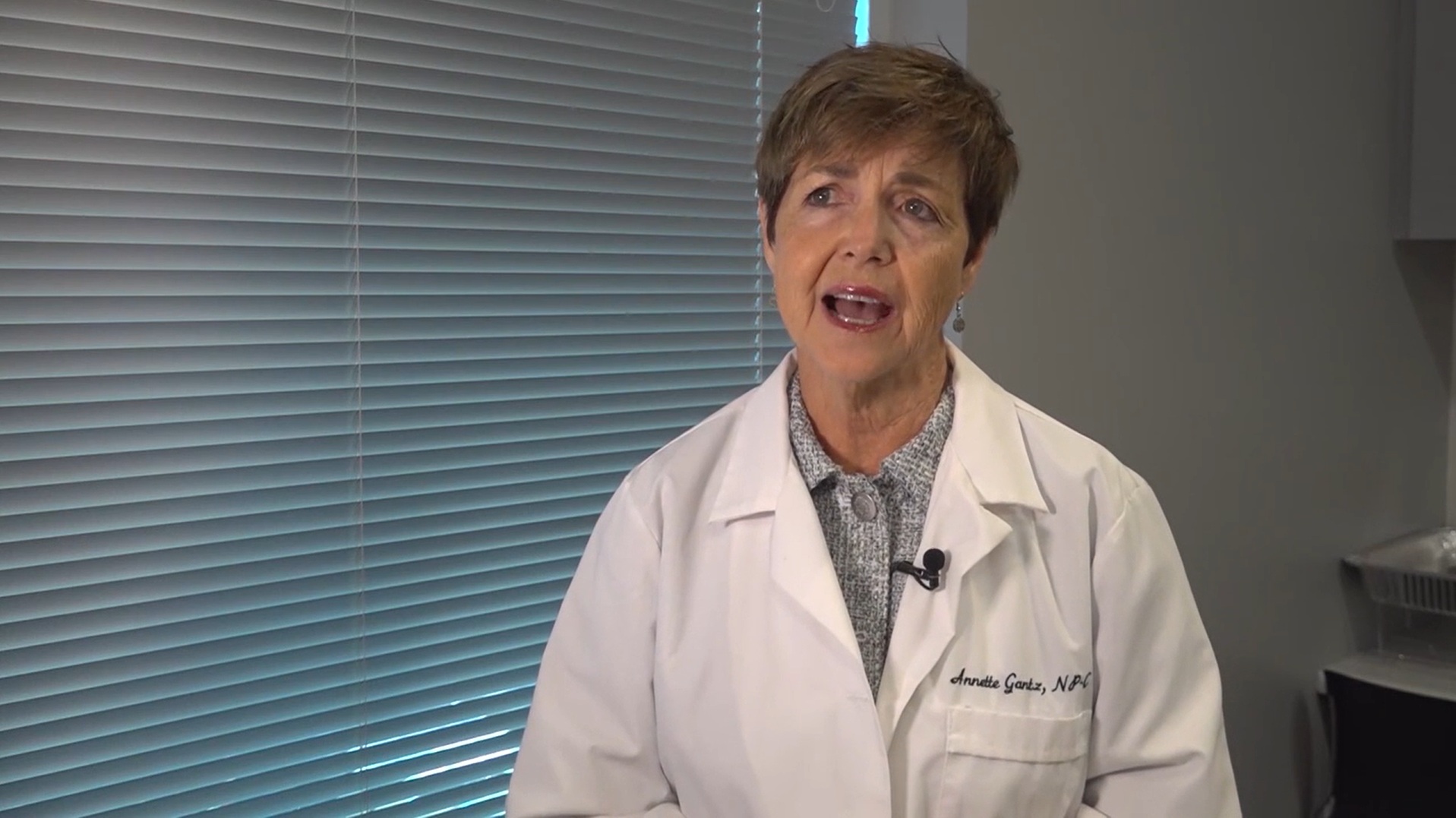
Annette Gantz, NP, was recently featured on KENS 5’s Healthy SA segment to discuss an important topic for adults and older patients: how to protect bone health as we age.
In the interview, Annette shared practical guidance on reducing fall risk, supporting stronger bones, and taking a proactive approach to osteoporosis and fracture prevention. As bones naturally become more vulnerable with age, early evaluation and prevention can play an important role in helping patients maintain independence, mobility, and quality of life.
Why Bone Health Matters
Bone health is easy to overlook until a fracture happens. For many adults, especially postmenopausal women and older patients, bone loss can happen silently over time. Osteoporosis can weaken bones and increase the risk of fractures, particularly in the hip, spine, and wrist.
The good news is that bone health can be evaluated, monitored, and supported with the right care plan. Screening, lifestyle changes, fall prevention, nutrition, exercise, and medication when appropriate can all be part of protecting long-term skeletal health.
Key Takeaways from the Interview
In the KENS 5 segment, Annette discussed several important ways patients can be more proactive about their bone health:
1. Know your risk factors
Age, menopause, family history, previous fractures, certain medications, and some medical conditions can all affect bone strength. Patients who may be at higher risk should talk with a bone health specialist about whether bone density testing or additional evaluation is appropriate.
2. Take fall prevention seriously
For older adults, falls are one of the most common ways fractures occur. Simple steps such as improving balance, reviewing medications, strengthening the legs and core, checking vision, and making the home safer can help reduce risk.
3. Build strength safely
Weight-bearing activity, resistance training, and balance-focused movement can support stronger bones and better stability. The right exercise plan depends on each patient’s age, fracture history, bone density, and overall health.
4. Do not wait for a fracture
Osteoporosis is often called a “silent” condition because many people do not know they have it until they break a bone. A proactive bone health evaluation can help identify risks earlier and guide the next steps.
Specialized Bone Health Care in San Antonio
At Texas Bone Health, Annette Gantz provides focused care for patients concerned about osteoporosis, fracture risk, and long-term bone strength. Her approach emphasizes education, prevention, and personalized treatment planning so patients can better understand their risk and take meaningful steps to protect their health.
Whether you have already experienced a fracture, have been told you have low bone density, or simply want to be proactive as you age, a bone health evaluation can help you make informed decisions.
Schedule a Bone Health Evaluation
If you are concerned about osteoporosis, fracture risk, or changes in your bone density, Texas Bone Health can help.
Schedule an appointment with Annette Gantz, NP, to discuss your bone health and create a plan designed around your needs.