Understanding Vertebral Compression Fractures and the Importance of Bone Health
Date Published
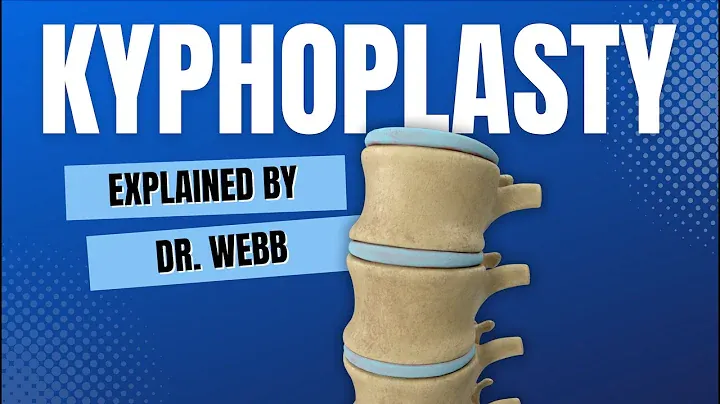
Vertebral compression fractures are a common and painful condition that can significantly impact mobility and quality of life, especially in patients with osteoporosis. In a recent educational video from Dr. Antonio Webb explains how these fractures occur and the treatment options available to help patients regain comfort and function.
A vertebral compression fracture happens when one of the bones in the spine weakens and collapses. While trauma, cancer, infections, and tumors can contribute to these fractures, osteoporosis remains the leading cause. Osteoporosis causes bones to become soft, brittle, and more vulnerable to breaking.
Dr. Webb discusses how many patients improve with conservative treatment such as physical therapy, anti-inflammatory medications, bracing, and rest. However, for patients who continue to experience severe pain or difficulty walking, a minimally invasive outpatient procedure called kyphoplasty may be recommended.
During kyphoplasty, small instruments are inserted into the fractured vertebra under imaging guidance. A balloon is gently inflated to restore some of the bone’s height before medical cement is placed into the fracture to stabilize the area and reduce painful movement. Most patients are able to return home the same day.
Annette Gantz’s Role in Bone Health Management
An important focus of the video is the role of Annette Gantz in helping patients address the underlying cause of these fractures: poor bone health.
As a nurse practitioner specializing in osteoporosis care, Annette works closely with patients who are concerned about bone loss, fractures, and long-term skeletal health. She explains that one of the first steps in evaluating bone strength is performing a DEXA scan, a specialized bone density test that measures the amount of mineral content inside the bones and compares it to healthy bone mass standards.
Based on those results, Annette may recommend additional testing and develop a personalized treatment plan designed to improve bone quality and reduce the risk of future fractures. Her work is essential because treating the fracture alone is not enough — improving bone health is critical for long-term prevention.
The video highlights the importance of a comprehensive approach that combines advanced spine care with osteoporosis management. By working together, specialists like Dr. Webb and Annette Gantz help patients not only recover from painful spinal fractures but also build stronger bones for the future.
A Patient-Centered Approach to Osteoporosis Care
For patients suffering from vertebral compression fractures, the combination of minimally invasive spine procedures and ongoing bone health management can be life changing. Annette Gantz’s focus on osteoporosis evaluation, bone density testing, and preventive care provides patients with valuable guidance and support as they work toward better long-term health.
Patients experiencing back pain related to compression fractures are encouraged to seek evaluation early, especially if osteoporosis may be a contributing factor. Early diagnosis and proactive treatment can help reduce pain, improve mobility, and prevent additional fractures in the future.